
AAA(omori) Level of Travel
- 1月2日
- 讀畢需時 3 分鐘
A for Archaeology


Aomori is a port city situated in the north of Honshu. On one side, visitors can create their own nokke-don seafood bowl in the Aomori Gyosai Centre. On the other side, they can also create their own itinerary with AAA standards. Excavations at the Sannai Maruyama Site uncovered a settlement in 1992, which can be dated back to the Jomon period. As the archaeologists unearthed the remains of dwellings and burial his tools and bones, a picture began to emerge of a well-developed hub settlement, which at its peak could have been home to 500 people.
Visitors could step into Jomon Japan, since the replication of a Vicon village was reconstructed in the tranquil meadow. Home to a dozen small dwellings with thatched, bark or mud roofs. It is believed that the Jomon has developed their own measurement system through the pillared tower. Back to the Sanmaru Museum, Stone arrowheads and animal bones hint at how and what Jomon people hunted, while the jade pendants and obsidian items suggest that trade routes between settlements had already been organised in Northern Japan, even in 3000 BCE.
A for Apple

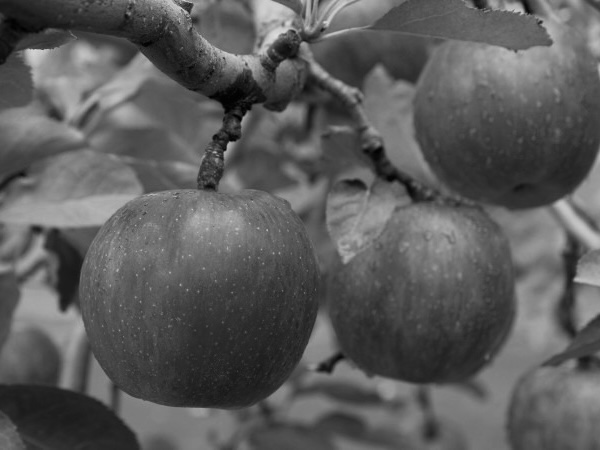


With more than half of Japan's annual apple harvest, Aomori definitely has a long-held secret. As the old saying goes, “if you do not prune 1000 trees, you would not become an adult (千本の木を剪定しなければ一人前にはなれない)”, it indicates the spirit of “Joppari” (じょっぱり), a person who is stubborn and has passion in cultivation. From pruning the branches, thinning out undersized fruits, to turning the ripening fruits for enough sunshine, it takes around 223 hours for 10 acres. Storing sugar content to protect apples from cold weather makes them even sweeter.
A for Artistry


It is not a Cruel Summer with the celebration of Aomori Nebuta Matsuri. Some said the festival is an offshoot of the Tanabata Matsuri which originated from China. Even the origin is uncertain, it is believed that floating lanterns are a mixture of key elements from the Nara Period: dolls, insect-repelling torches, as well as sending off ancestral spirits. It serves as a cleansing ritual and a prayer for good health. Sadly even if you miss the festival, you can visit the Nebuta Museum WA-RASSE, which shows visitors the creation of floats and offers the dance experience.
If traditional art is not an apple in your eye, what about immersing yourself into the Aomori Museum of Art? The architecture itself is an art, which is inspired by the Sannai-Maruyama Archaeological Site, resembling the trenches of the excavation area. The colossal dog sculpture, Aomori-ken, stands in the west side and greets the visitors affectionately. Another large-scale sculpture by NARA Yoshitomo is displayed in the museum, Miss Forest, as if it is speaking with the visitors with the breezes, bird song and falling snow. Their expression varies with seasons.
Hidden Gems: Hakkōda Mountains (八甲田山), Aomori


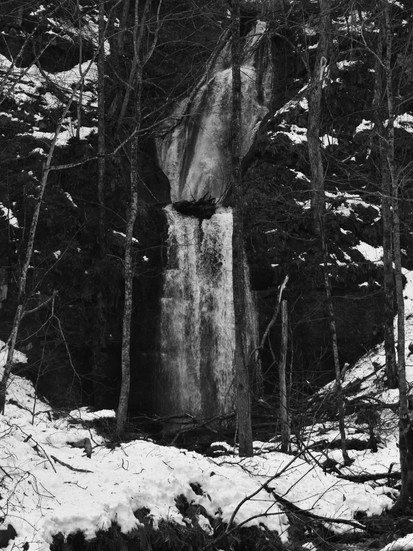


From Shin-Aomori Station, it takes around an hour to the Hakkoda Ropeway by JR Bus. This natural paradise is created by volcanic eruptions. Not only can one trek through the virgin forests in warmer months, one can also ski through the tree tunnels in winter time. Don’t be scared by the snow monsters on the Hakkoda Mountains (八甲田山). They are a rare phenomenon formed by the light fog frozen on the trees instantly. For those who prefer travel in autumn, both Lake Towada (十和田湖) and Oirase Gorge (奥入瀬渓流) are some of the best maple viewing spots.


留言