
Once in a Lifetime in Tunisia
- 2022年3月11日
- 讀畢需時 3 分鐘


How do we describe Tunisia? It is located in North Africa, which refers to the Maghreb area. It became a beacon of democracy in the Arabic world, with the coexistence of Islamism and Secularism culture. The country is also a Mediterranean region, being part of the Roman Empire and French Protectorate.
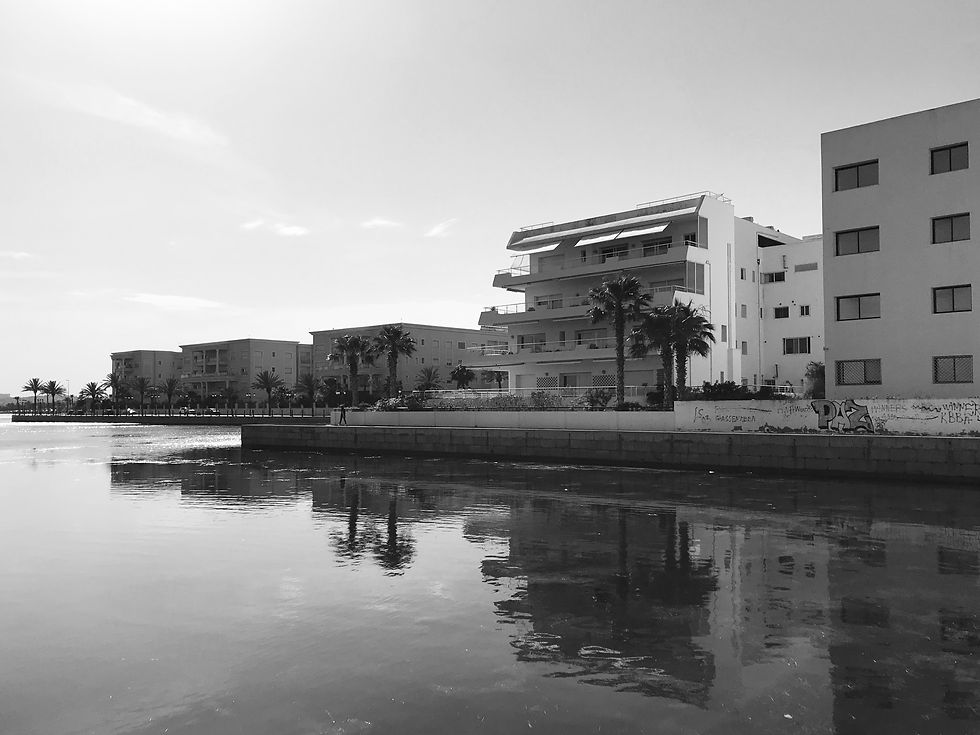
On my first visit, the landmarks left a deep impression of each. Tunisia is characterized by a Mediterranean climate. Without sufficient rainfall, water resources are precious. The capital Tunis is developed alongside the Lake of Tunis. The Roman-built dam connects the city center and the highway of La Goulette.


Tunisians live around the Lake of Tunis. Due to the narrow railway coverage, people relied heavily on taxis. They love to wander around the lake, or visit Carthage Land. La Marsa is well-known for bars. There is a boutique hotel nearby - Dar Ben Gacem, a miniature of Tunisia with remarkable white houses.

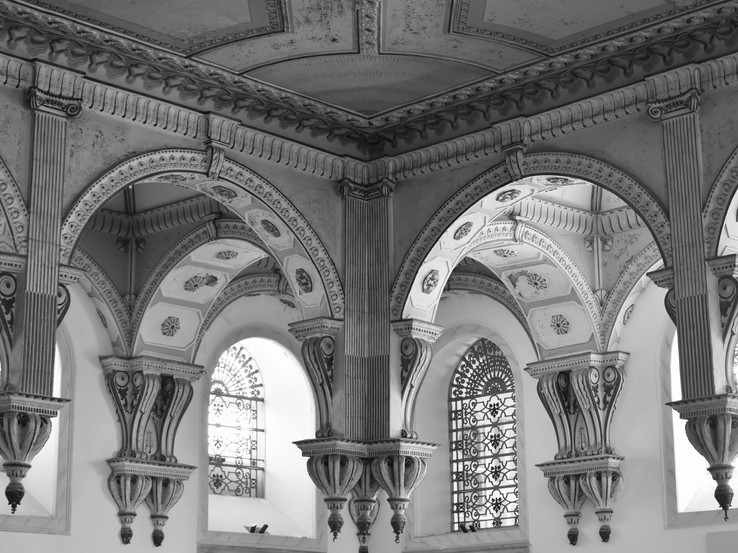


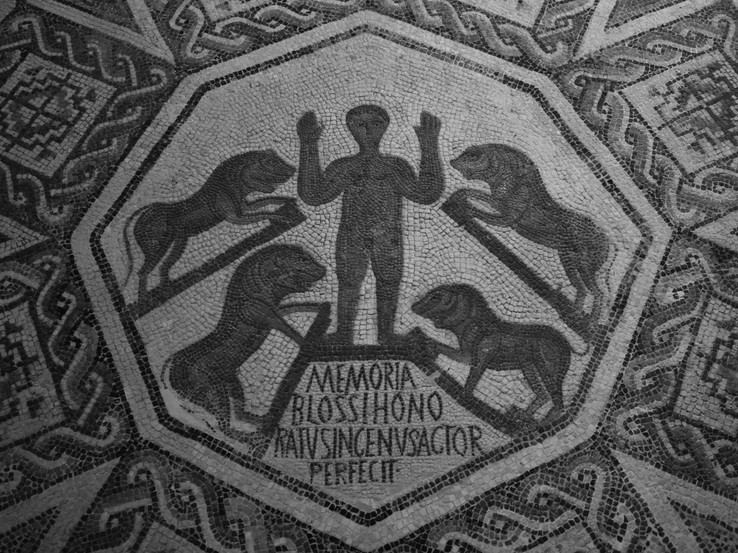
Bardo National Museum is the second largest museum in Africa. A palace during the Hafsids dynasty between 1228 and 1574, until the Ottomans Empire fortified and extended it in 1888. Owning over 50 thousands pieces of the collection, it was extended to a contemporary annexe, which doubled the exhibition space.
Mosaic originated from Mesopotamia in the 3rd millennium B.C. Ancient Rome utilized it in interior design. The mosaic depicted various creatures, the life of the ancient North African, as well as the myths and religious stories. Namely “Poseidon’s Triumph and the Four Seasons” and “Daniel in the Lion's Den”.

My unforgettable one is the shattered glass case. 19 tourists killed by the terrorists in 2015. It threatened its tourism-centric economy, and exacerbated the conflict among groups and parties, during the democracy transition after the Arab Spring. Regardless of any identity and label, a harmonious world should be built.


The Medina Quarter is a maze-like market. Founded in the 17th century, the alleys are full of stone ground. Pick a chechia. Usually in red. A hemispherical hat made of wool. Besides religious occasions and weddings, it has become a fashion icon. In the past, the richer the family, the more sophisticated the hats.


In Central Medina, there is the oldest mosque of Tunis. The Zitouna Mosque was founded in 734, which means the Mosque of Olive. It was once occupied by a church. The Almohads-style minaret became a landmark of Medina. The prayer hall was constructed with over 200 columns scrounged from Roman Carthage.



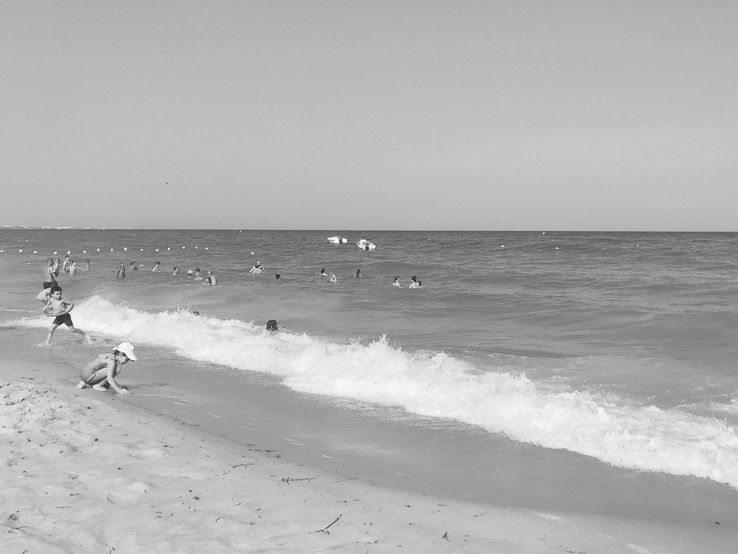
From Tunis, it takes an hour to Hammamet. Enjoy the huge waves on the boundless sand. We could freely kiss the sunshine, or embrace the sea. Located in the northeast, the town is more than a resort. People from the South, Algeria and Libya look for opportunities. The suburbs are more populated and developed.

If you are looking for a traditional dessert, please try Kaak warka. A ring-shaped pastry, similar yet smaller than a donut. To keep its original color, the dough is baked at low heat. The confection is stuffed with marzipan, i.e. almond flour. The rosewater flavor is impressive. Savor it with a cup of coffee.

How do locals perceive themselves? Arabic and French are the official languages. But many teenagers prefer French, as a privileged identity. Local cuisine still dominates their appetite, such as couscous and tajine. But you would discover tons of cafés and the influence of baguette farcie culture from meal to meal.


留言