
The Next Station is… Railway Museum
- 1月3日
- 讀畢需時 2 分鐘

The Railway system in Japan offers world-class services. As a celebration of its culture, visitors can learn about its history in a museum, including the first bullet train “Shinkansen” in the world…
Japan celebrates Railway Day (鉄道の日) every 14 October in order to honor the achievement of its transportation system. The Mumbles to Swansea Railroad in Wales was the first fee-paying railroad, while the history of Japan rail transport can be traced back to the 19th century, when the first railway between Shimbashi and Yokohama opened in 1872.
Network expansion continued in the Kansai region, covering Kobe, Osaka, Kyoto and Otsu at the southern end of Lake Biwa. It facilitated the birth of the Tokaido Main Line, which means the road running through Tokai. After WWII, the shortage of domestic coal and natural resources for power plants became a concern while the demand for electrification grew rapidly in 1956.
In the 1960s, Japan enjoyed an unprecedentedly high rate of economic miracle. As the demand of rail transport grew, the world’s first high-speed rail service, the Shinkansen, was launched between Tokyo and Osaka in 1964, in time for the first Tokyo Olympics. Limited Express service took six hours and 40 minutes, whereas the Shinkansen made the trip in just four hours.
High-Speed Rail technology has advanced significantly. However, due to the total debt reaching 37.1 trillion JPY, Japanese National Railways was privatized in 1987, under the Act on Special Measures to Promote the Management and Reconstruction of Japan's National Railways. JNR was divided into 7 companies comprising 6 passenger companies and 1 freight company.
For railway enthusiasts, visiting the Railway Museum in Omiya will definitely suit your appetite. Opened in October 2007, the museum served as the centerpiece of the JR East 20th Anniversary Memorial Project. Today, the network expansion continues. As the Hokkaido Shinkansen will be extended to Sapporo, the dream of travelling from Tokyo to Sapporo will come true by 2039.
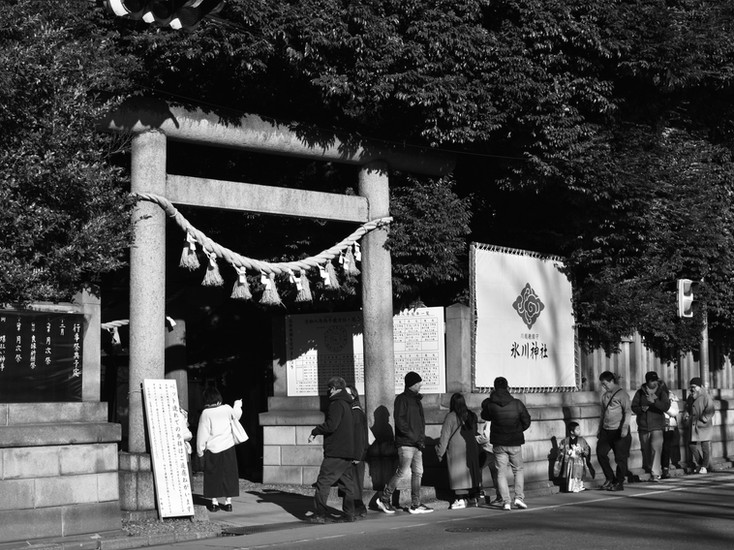
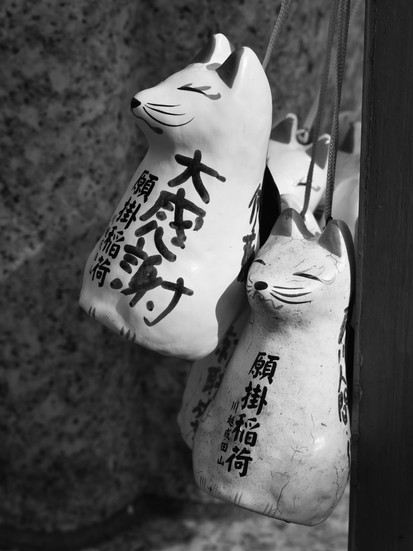
Via the Japanese railway, transcending to the past is not impossible. Besides study and work in the Saitama Prefecture (琦玉), as part of the Greater Tokyo area, one can stroll around Kawagoe (川越). The Little Kyoto is full of well-preserved Edo-era buildings, such as Kitain Temple (喜多院) and Hikawa Shrine (氷川神社), which leaves one no motivation back to the present.





留言